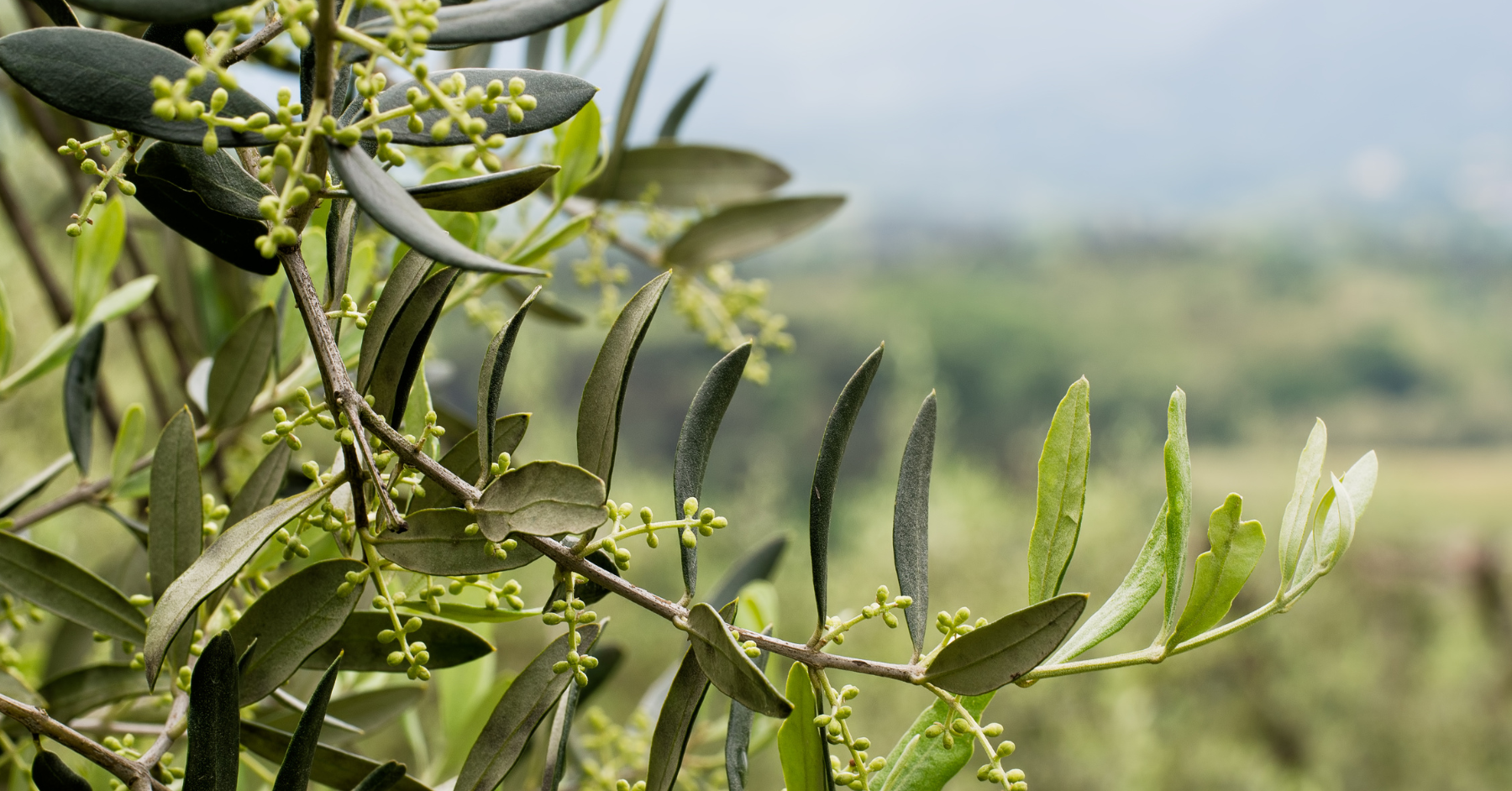
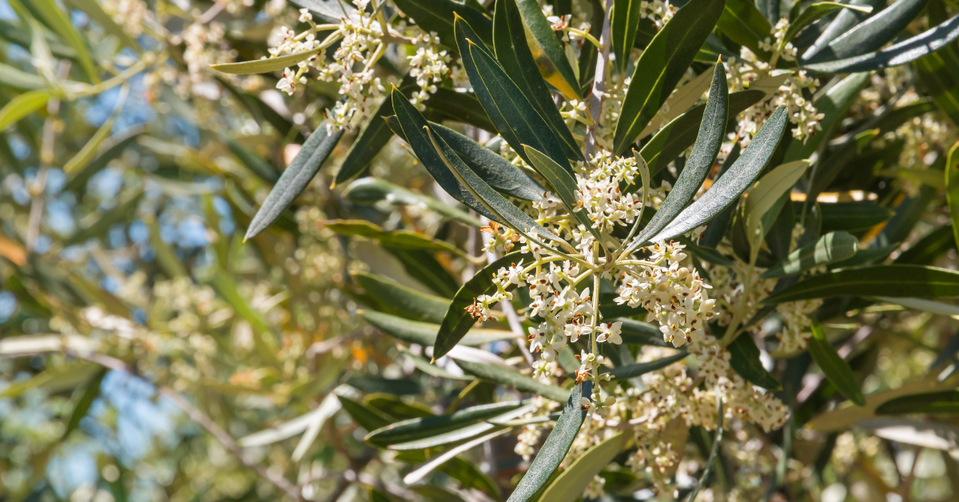
May and June are a critical period during which fruit set and fruit drop occur, and growers should pay particular attention to the olive moth and olive fruit fly.
Fruit set and fruit drop
After pollination, the olive tree goes through a natural process of physiological fruit drop – the tree sheds excess fruit on its own. This is a natural process; however, if drop is excessive, the causes are most commonly drought immediately after flowering, nutrient deficiencies – particularly nitrogen and boron – or olive moth infestation.
If rainfall is insufficient, regular irrigation in June and July is essential to prevent fruit drop. Additionally, pay attention to water shoots appearing on the trunk and main branches – these consume water and nutrients without contributing to yield.
Olive moth and Olive fruit fly
The olive moth (Prays oleae) moves into its carpophagous generation after flowering, attacking young fruitlets. Larvae bore directly into the fruit and destroy the seed from within, causing infested fruitlets to drop without any visible external symptoms. Regular monitoring with pheromone traps is essential to detect the intensity of infestation in time.
The olive fruit fly (Bactrocera oleae) is not yet laying eggs at this stage, but monitoring should begin now. It becomes active when the fruit reaches a diameter of 8–10 millimetres, which typically occurs in July – growers who are late in setting traps miss the early signal and lose valuable response time.
Foliar fertilisation
The tree has just passed through the most demanding period of the year, so nitrogen application immediately after flowering is the basic agronomic measure. Particular attention should be paid to boron and zinc – their deficiency causes increased fruit drop and poor stone development. Foliar fertilisation is the most efficient way for the tree to rapidly absorb the required nutrients and ensure stable fruit development through the remainder of the season.